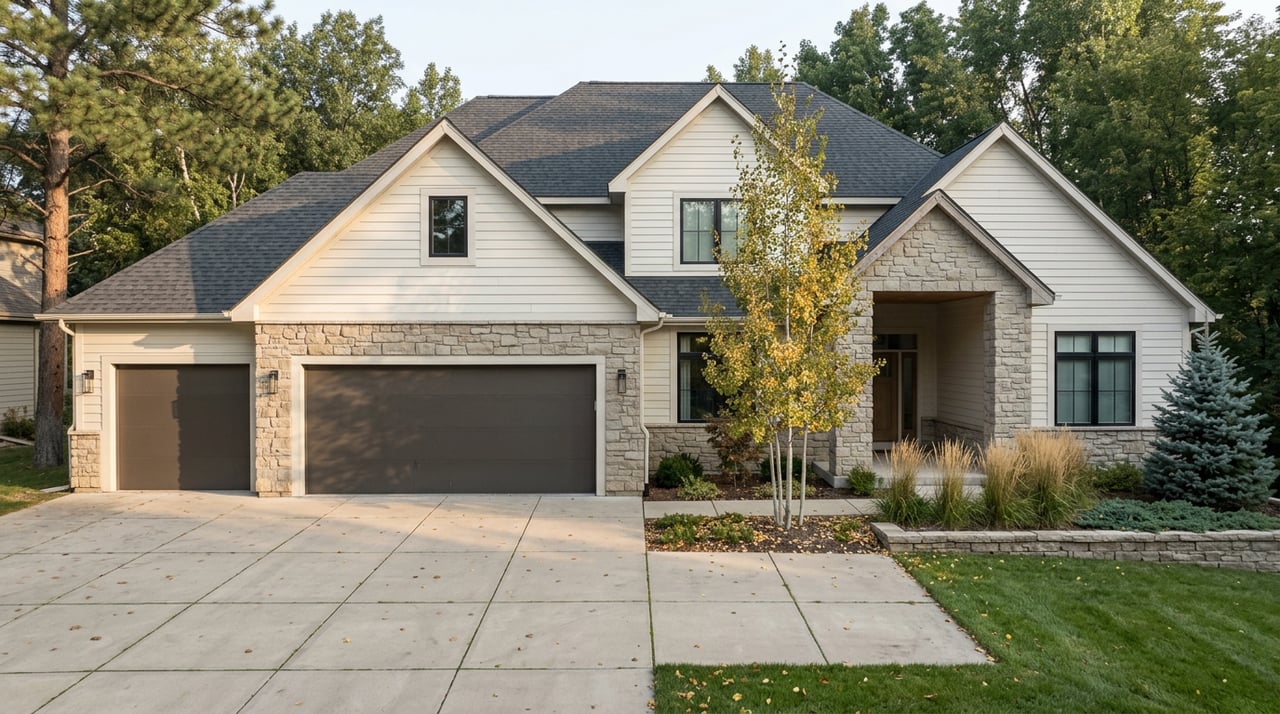
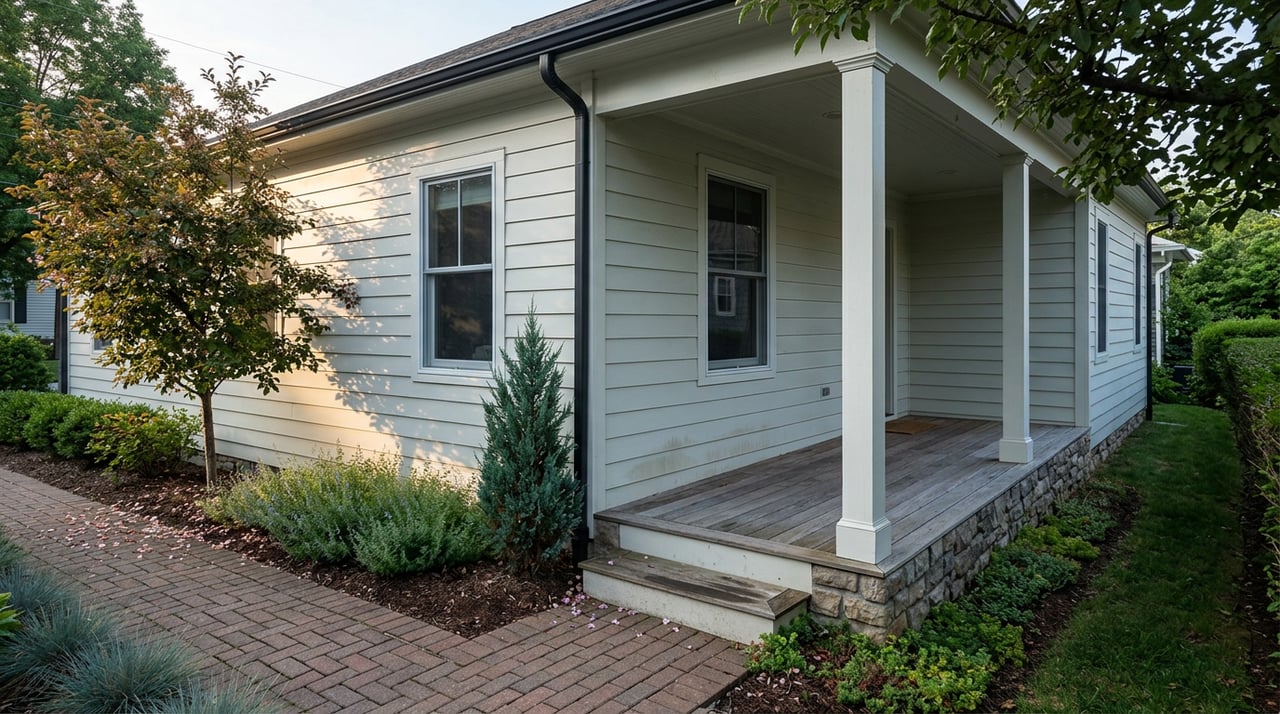
Trying to choose between a low-maintenance condo and a private single-family home in Greenwood Village? You are not alone. Many DTC professionals and downsizers face the same decision. In this guide, you will learn the real trade-offs, monthly cost differences, commute options, and due-diligence steps that matter most in this market. Let’s dive in.
Greenwood Village at a glance
Greenwood Village is a premium Denver suburb anchored by the Denver Tech Center. Reported medians commonly land in the mid-to-high seven figures, with several data providers placing typical prices in roughly the 1.3 million to 1.53 million range. The mix of corporate offices, dining, and services keeps demand steady for both condos and single-family homes.
Transit access is a major draw. The Arapahoe at Village Center, Orchard, and Belleview light-rail stations serve the DTC corridor, with options to connect downtown. You can review details for the Arapahoe at Village Center station on the RTD site to gauge commute logistics and parking options (RTD station information).
Condo vs single-family: what really changes
Maintenance and monthly carry
- Condos and townhomes: The HOA typically covers exterior maintenance, common areas, landscaping, and sometimes utilities. You pay monthly dues and handle interior upkeep. In Greenwood Village, HOA dues range widely. Sample listings show luxury towers like Landmark with dues around 1,500 dollars or more per month, while garden-style communities such as the Hermitage often show dues in the low hundreds to low 400s. Always verify current dues for a specific unit before you write your offer.
- Single-family homes: You take on all exterior and yard costs plus big-ticket items over time. A common rule of thumb is to budget about 1 percent of the home’s value per year for maintenance and repairs. For a 1.4 million dollar home, plan about 14,000 dollars per year, or roughly 1,167 dollars per month, as a maintenance reserve (home maintenance budgeting guidance).
Practical takeaway: If you want predictable monthly costs and fewer chores, condos often fit better. If you want a yard, privacy, and full control, single-family works well, but your annual costs can swing with projects like roofs or HVAC.
Privacy, space, and lifestyle
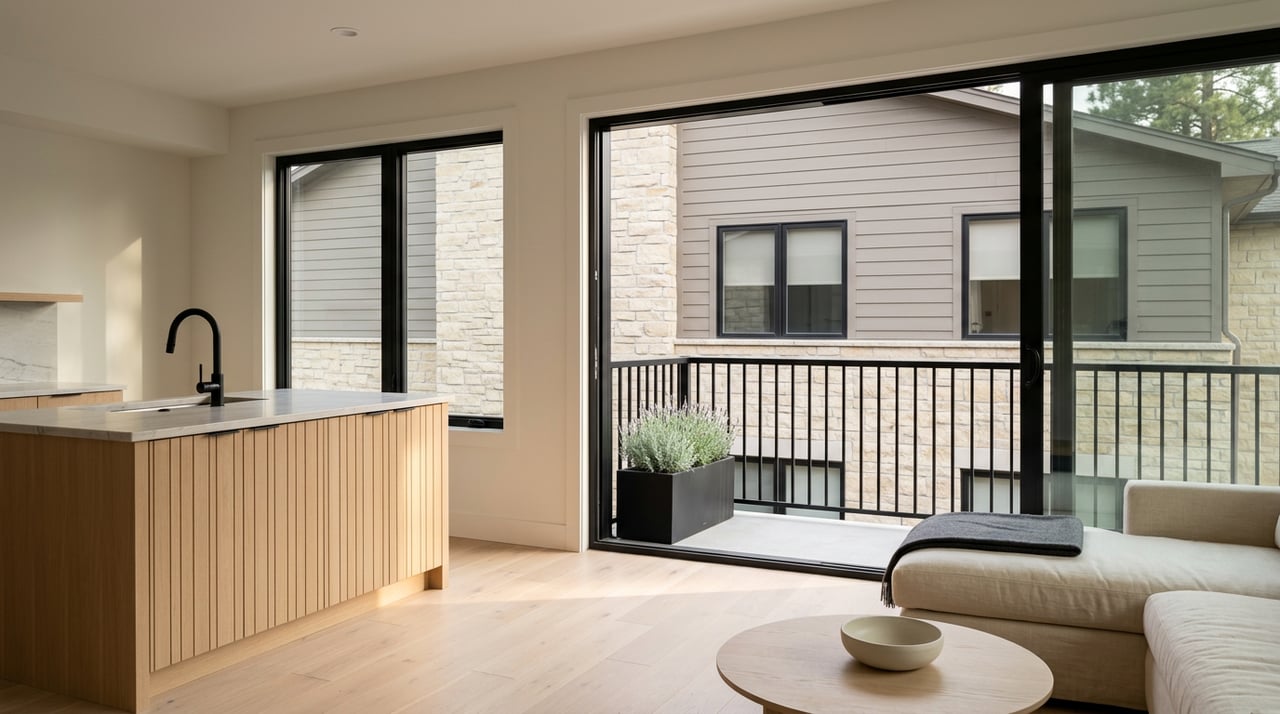
- Condos and townhomes trade private yards for convenience and amenities. High-rises near the DTC can offer gyms, pools, concierge services, and quick access to restaurants. Garden-style communities may include private garages and larger interiors at a lower entry price than tower units.
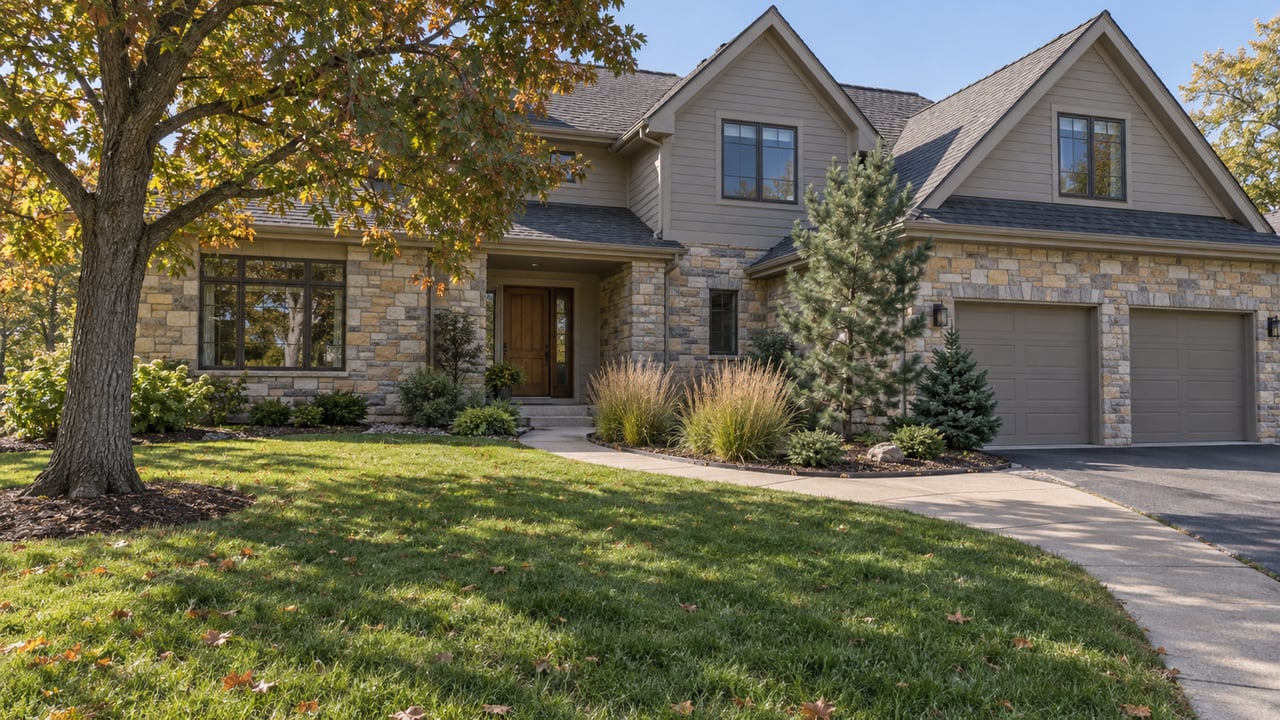
- Single-family neighborhoods typically provide larger lots and more separation between homes, which many buyers prefer for outdoor space, pets, or hobbies. You set the rules for your property rather than an HOA board.
Commute, walkability, and DTC access
Greenwood Village prioritizes DTC connectivity. Many condo and townhome buildings cluster within walking or biking distance of the light-rail nodes. Car commuters benefit from quick access to I-25 and I-225. If a short door-to-desk time is your top goal, focus your search inside the DTC corridor or within a quick drive of an RTD station. Test an actual commute during peak hours to compare options.
Insurance and association risk
- Condos: You will carry an HO-6 policy, which covers what the condo association’s master policy does not. This usually includes your interior finishes, personal property, personal liability, and potentially loss assessment if the HOA has a shortfall. Always review the master policy and make sure your HO-6 fills the gaps (condo vs homeowners insurance basics).
- Single-family: You will carry a standard HO-3 policy that covers the structure and your lot, plus personal property and liability. Premiums vary with coverage levels, construction type, and risk factors.
HOA governance and Colorado law
Most condo and townhome communities in Colorado are governed by the Colorado Common Interest Ownership Act (CCIOA). HOA boards set budgets, fund reserves, and can levy special assessments that affect monthly costs and resale appeal. Before you buy, request the governing docs, the current budget, the most recent reserve study or reserve balance, the insurance certificate, meeting minutes, and any litigation disclosures. You can find consumer resources and recent updates through the Colorado Division of Real Estate’s HOA Center (Colorado HOA guidance).
Financing considerations for condos
Some lenders apply stricter requirements to condos than to single-family homes. FHA offers project-level approval and a Single-Unit Approval path if the building lacks full approval, but extra steps and documentation may be required. If you will use FHA or VA financing, confirm the project’s status early to protect your timeline and loan options (FHA single-unit approval overview).
Taxes and local context
Greenwood Village’s city mill levy is relatively low compared with many nearby suburbs, but your total property tax bill also includes county, school, and special district levies. Review city-level details to estimate the tax portion of your monthly carry (Greenwood Village property tax overview).
Where options cluster in Greenwood Village
DTC condos and townhomes
Look along the Belleview, Orchard, and Arapahoe at Village Center corridor for higher-density buildings and garden-style complexes that prioritize convenience. Luxury high-rises like Landmark deliver robust amenities and turnkey living, with dues that reflect full-service offerings. Garden-style communities such as the Hermitage tend to have lower dues and offer private garages, making them appealing to downsizers and professionals who want value and access.
Performance note: Recent Colorado reporting shows many condo and townhome segments have softened or grown more slowly than single-family homes in several submarkets. Well-located DTC units with strong amenities and healthy HOA reserves can still hold value, but it is wise to weigh resale timing and building fundamentals carefully (Colorado market trend context).
Single-family neighborhoods
Detached homes cluster in areas such as Cherry Creek Village, The Preserve, and Greenwood Hills. These neighborhoods feature larger lots and residential streets. Many properties are zoned to Cherry Creek School District schools, which some buyers factor into their decision-making. Detached homes have historically outperformed attached homes in several Colorado submarkets, supported by lot scarcity and buyer preference for private outdoor space (Colorado market trend context).
Quick cost comparison: how to run the numbers
Use this simple framework to compare monthly carry across options:
- For a condo or townhome
- Mortgage principal and interest.
- HOA dues. In Greenwood Village you might see about 300 to 1,600+ dollars per month depending on building type and amenities.
- Property taxes.
- HO-6 insurance.
- Utilities not covered by the HOA.
- For a single-family home
- Mortgage principal and interest.
- Property taxes.
- HO-3 homeowner’s insurance.
- Maintenance reserve. Use the 1 percent rule to set a realistic monthly amount. For example, a 1.4 million dollar home implies planning about 1,167 dollars per month for ongoing upkeep and future projects (home maintenance budgeting guidance).
- Utilities.
Example snapshot to illustrate the swing you might see in Greenwood Village:
- Condo scenario: HOA dues between about 350 and 1,600+ dollars monthly, plus smaller or less frequent maintenance needs inside your unit.
- Single-family scenario: No HOA dues, but a maintenance reserve that could be 1,000 dollars or more per month at higher price points, with periodic larger projects.
The right choice comes down to whether you prefer predictable monthly dues or the flexibility of owning the whole property and managing projects as they arise.
Due diligence checklist for confident decisions
- Commute test: If DTC access is vital, preview properties within a 10-minute drive or an easy walk to a light-rail station. Test your route during peak hours and check parking options at Arapahoe at Village Center, Orchard, or Belleview (RTD station information).
- Condo and townhome documents: Request the current budget, reserve study or reserve balance, insurance certificate, 12 months of board minutes, rules and enforcement history, pending litigation, and rental/owner-occupancy mix. Review CCIOA resources to understand board powers and owner rights in Colorado (Colorado HOA guidance).
- Single-family health check: Ask for roof age, service records for HVAC, plumbing and electrical, and any irrigation or landscaping system details. Get estimates for near-term repairs.
- Insurance review: Confirm whether the condo master policy is “walls-in” or “walls-out,” and add loss assessment coverage to your HO-6 if needed. For single-family, confirm replacement cost levels and deductibles (condo vs homeowners insurance basics).
- Financing status: If you need FHA or VA for a condo, verify project approval early. If the building lacks full approval, ask your lender about Single-Unit Approval and timeline impacts (FHA single-unit approval overview).
- Property taxes: Use city resources to estimate the tax component of your monthly carry and compare across neighborhoods (Greenwood Village property tax overview).
Resale and timing considerations
Local and regional reporting indicates that attached-home segments have recently lagged detached homes in parts of Colorado. That does not mean condos are a poor choice. It does mean you should weigh building health, HOA reserves, and demand drivers like DTC proximity when you plan your hold period and exit strategy. Detached homes benefit from lot scarcity and buyer preference for private outdoor space, but they also carry higher exposure to one-off capital expenses that can affect net proceeds at resale (Colorado market trend context).
Which one fits you?
- Choose a condo or townhome if you value convenience, predictable monthly costs, security, and a quick commute above all else. Downsizers often like one-level living, elevator access, social amenities, and less time spent on chores.
- Choose a single-family home if you want a private yard, more control, room for hobbies, and the ability to renovate on your terms. Plan for variable costs and periodic big projects.
If you want a data-driven plan tailored to your commute, budget, and timeline, you do not have to figure this out alone. With long-standing experience in Greenwood Village and the broader southeast metro, I can help you compare real options, vet HOA documents, and negotiate the right terms. When you are ready, connect with Joni Jagger to map your next move.
FAQs
What is the typical price range in Greenwood Village?
- Reported medians often land in the mid-to-high seven figures, with several data providers placing typical prices in roughly the 1.3 million to 1.53 million range.
How do HOA dues affect condo affordability near the DTC?
- Dues can range from the low hundreds in garden-style communities to 1,500 dollars or more in luxury towers, which can make condos feel predictable monthly but raise the total payment.
What condo documents should I review before buying in Greenwood Village?
- Ask for the current budget, reserve study or balance, master insurance certificate, meeting minutes, rules, litigation disclosures, and rental policies, and consult Colorado HOA resources for context (Colorado HOA guidance).
How does commuting to the DTC or downtown work from Greenwood Village?
- Many buyers use the Arapahoe at Village Center, Orchard, or Belleview light-rail stations for direct DTC access and connections downtown, while others drive via I-25 and I-225 (RTD station information).
Are condos harder to finance with FHA or VA in this area?
- Sometimes; many buildings lack full FHA approval, but Single-Unit Approval can be possible with extra steps, so verify project status early with your lender (FHA single-unit approval overview).
How are property taxes calculated in Greenwood Village?
- The city mill levy is relatively low, but your total bill includes county, school, and special district levies, so use city resources to estimate annual taxes for a given property (Greenwood Village property tax overview).