Aurora Outdoor Lifestyle Homes for Active Living
February 19, 2026
February 19, 2026
Do you plan your week around runs, rides, and time on the water? If you love the outdoors and want easy access without giving up suburban comfort, Aurora belongs on your short list. You get big-city convenience, proximity to the airport, and a deep menu of parks, trails, and reservoirs right in your backyard. In this guide, you’ll see how Aurora supports an active lifestyle, where to go first, and which neighborhoods line up with the way you like to play. Let’s dive in.
Aurora offers a robust outdoor system with 103 developed parks, about 8,000 acres of open space, 119 miles of trails, three nature centers, and two municipal reservoirs. You can explore it all through the city’s Parks, Open Space and Trails portal for maps and updates. Start here to get a sense of the scale and variety.
Location is part of the appeal. Aurora sits within the Denver metro, with many neighborhoods described as minutes from Denver International Airport. Typical regional travel ranges often cited in relocation and visitor materials include downtown Denver in about 20 to 35 minutes, Boulder in about 40 to 50 minutes, and Rocky Mountain National Park in about 90 to 120 minutes, depending on traffic and your exact neighborhood. For orientation and airport details, see the Visit Aurora getting here guide.
If you want a clean, easy spot for workouts and family time, Aurora Reservoir is a standout. You’ll find an 8 to 8.5 mile multi-use loop for running and cycling, a seasonal swim beach with lifeguards, non-motorized boating and paddle sports, a SCUBA area, and on-site rentals and permits when in season. The Senac Creek Nature Center adds educational programs and wildlife context around the prairie and shoreline. Get details on passes, rules, and seasonal offerings on the Aurora Reservoir page.
Pro tip: Hours, lifeguard schedules, and rental availability change by season. Always confirm on the official reservoir page before you go.
Right next door to parts of Aurora, Cherry Creek State Park blends big-water recreation with miles of trails. The park features an 880-acre reservoir plus about 35 miles of multi-use paths for longer runs, casual rides, and nature walks. It is also a go-to for camping and a range of water activities. Check fees, maps, and current conditions on the Cherry Creek State Park site.
The High Line Canal Trail is a 71-mile regional corridor that threads through Aurora and connects multiple communities and pocket parks. In recent years, improvements have closed gaps and enhanced crossings in key sections, making it easier to use for daily walks, jogs, and casual bike rides. See trail highlights and access tips at the High Line Canal Conservancy’s walking guide.
On Aurora’s north side, the Sand Creek Regional Greenway links Aurora with Denver and Commerce City across nearly 13 to 14 miles of mostly off-street trail. Sections alternate between paved and soft-surface, with several trailheads and nature-viewing spots. In Aurora, the corridor integrates with Star K Ranch and Morrison Nature Center. Use the Sand Creek Greenway trail navigator to plan an outing.
Beyond the big-name corridors, Aurora’s network of neighborhood trails and connectors makes short, everyday trips simple. These links add up to the city’s 119 trail miles and support quick dog walks, lunchtime runs, and school-day bike commutes. For current maps and planned connections, consult the city’s parks and trails resource.
Just north of Aurora, the Rocky Mountain Arsenal National Wildlife Refuge delivers a surprisingly wild experience inside the metro. You can hike about 20 miles of trails or drive the 11-mile wildlife loop to see bison, raptors, and wetland habitats. It is a high-value outing for birders, photographers, and families who want nature without a long drive. Plan your visit on the refuge’s official page.
If you want easy, local access to prairie ecology and family-friendly programs, these city-managed nature centers are worth your time. Trails and seasonal programs help you learn the landscape while staying close to home. Get facility details and programming on Aurora’s nature centers page.
Aurora’s staffed recreation centers offer a weather-proof complement to outdoor play. Facilities like Central Recreation Center, Moorhead Recreation Center, and Southeast Recreation Center typically include fitness equipment, indoor pools, group classes, and youth programming. Memberships and hours shift by season, so review the recreation centers overview for what is open now.
For tournament energy and organized play, Aurora Sports Park stands out. The 220-acre campus hosts dozens of multi-use fields, baseball and softball diamonds, synthetic turf, shelters, and playgrounds. Weekends often bring youth and adult leagues or regional competitions. If you are considering a home nearby and want quick access to organized sports, scan programs and field details at the Aurora Sports Park page.
Golf is a defining feature in many Aurora neighborhoods. The city operates several public courses, including Aurora Hills, Meadow Hills, Springhill, Saddle Rock, and Murphy Creek. For buyers, golf-adjacent homes often come with open-space views and quick access to practice facilities or clubhouses. If a short walk to the first tee is part of your ideal day, note these areas on your home search map.
Outdoor amenities are not just weekend perks in Aurora. Many neighborhoods are organized around them, which can guide your search.
When you compare areas, look closely at HOA amenities versus public facilities, the distance to your preferred trailhead or reservoir gate, and how that fits your weekly routine.
One of Aurora’s strengths is how it splits the difference between local access and regional adventure. With many neighborhoods described as minutes from DIA, you are set up well for business travel and visiting family. Typical travel ranges commonly used in visitor materials include downtown Denver in about 20 to 35 minutes, Boulder in about 40 to 50 minutes, and Rocky Mountain National Park in about 90 to 120 minutes, depending on your starting point and traffic. For airport and travel orientation, check Visit Aurora’s transportation overview.
When your lifestyle is anchored in the outdoors, it helps to shop with a clear checklist. Consider how often you plan to use the reservoir or state park, whether indoor pools and classes matter in the winter, and how far the nearest trailhead is from your front door. If you are selling, highlight trail access, reservoir proximity, or golf-course adjacency in your marketing to reach like-minded buyers.
As a relocation or move-up buyer, you can save time by grouping showings around the amenities that fit your week. During tours, note drive times to your favorite trail or reservoir gate, the location of nearest trailheads, and whether the HOA offers on-site pools or fitness rooms. Ask for current HOA documents to confirm amenity details and fees.
If you are ready to align your next move with the way you like to live, let’s map your options together. For personalized guidance, neighborhood previews, and a plan that fits your timeline, connect with Joni Jagger. Request your home valuation, talk through your goals, and move forward with confidence.
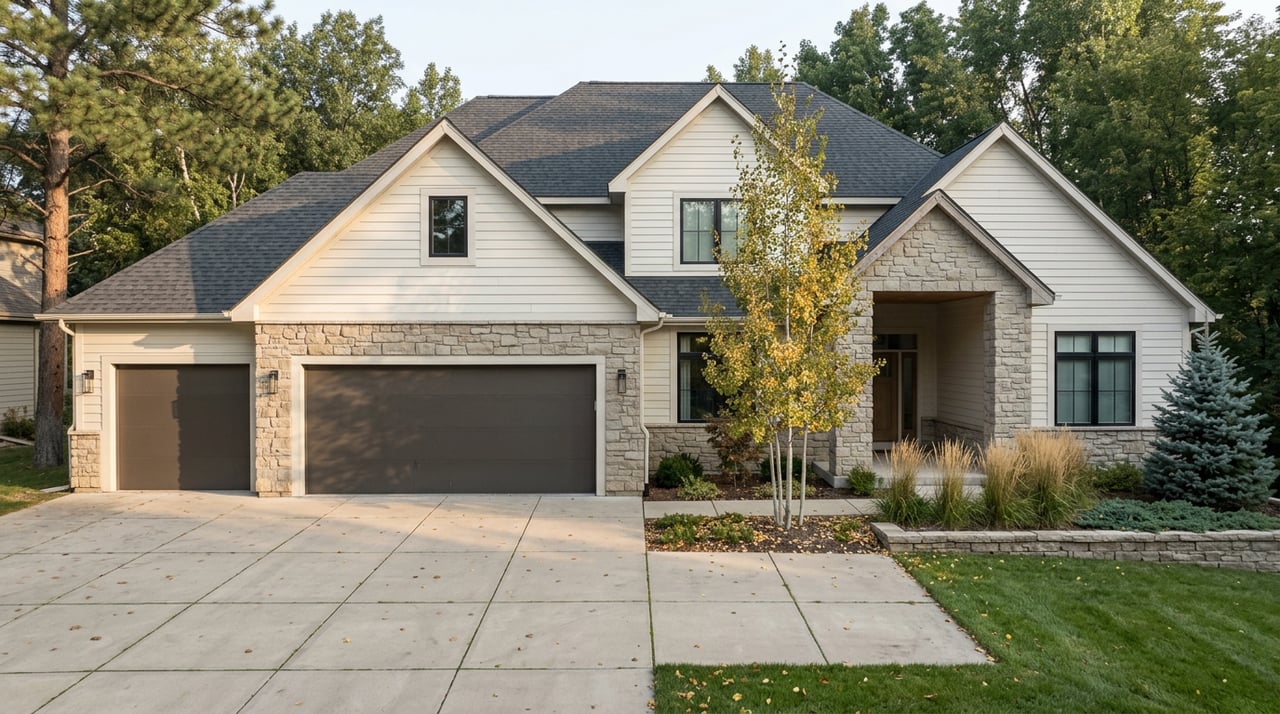
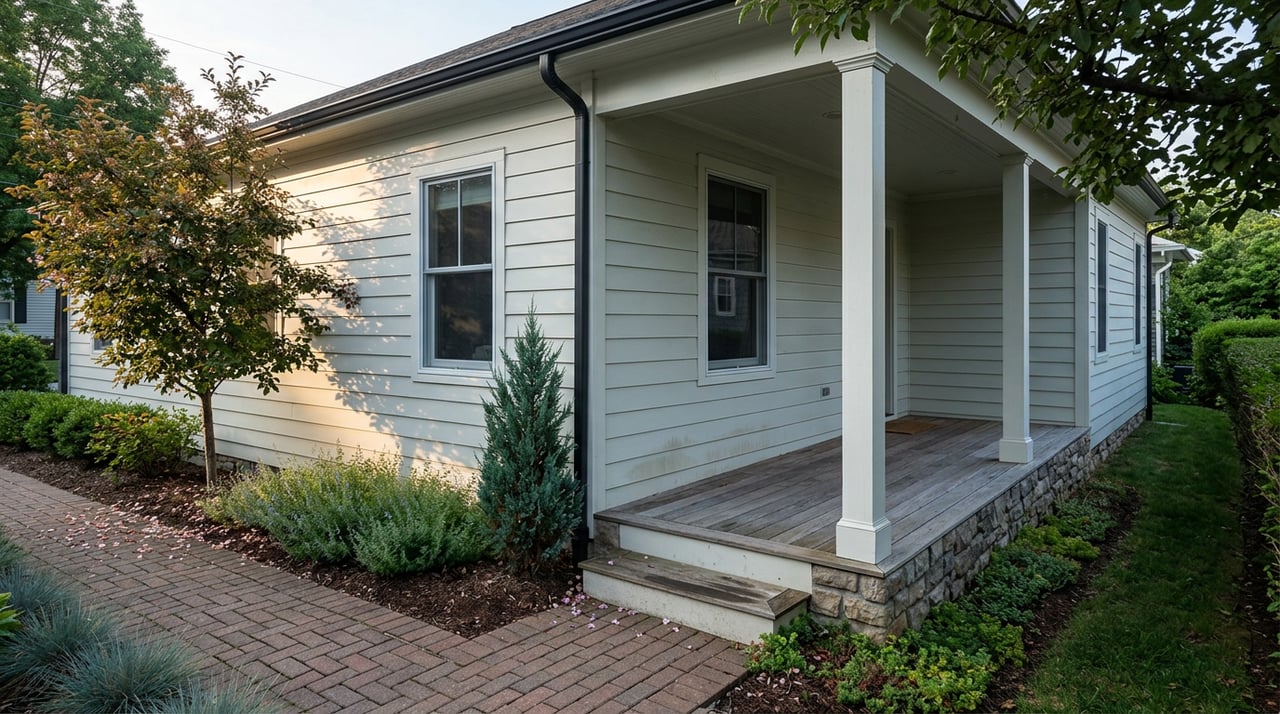
Reach out and connect with Joni Jagger today.