
Understanding the Aurora Home Appraisal Process
January 15, 2026
January 15, 2026
Is the appraisal the last big unknown between you and closing on an Aurora home? You are not alone. Whether you are buying or selling, understanding how appraisals work can reduce stress and help you prepare. In this guide, you will learn exactly how appraisers choose comps in Aurora, which features get adjustments, what timeline to expect, and how to respond if value comes in low. Let’s dive in.
An appraisal gives your lender an independent opinion of market value for your home purchase or refinance. Appraisers follow professional standards known as USPAP and lender guidelines for conventional, FHA, and VA loans. You can learn more about appraisal standards from The Appraisal Foundation.
In Aurora, most single-family home appraisals use the sales comparison approach. The appraiser compares your home to recent, similar closed sales and adjusts for differences to estimate value.
Common report types you might see:
Most purchase appraisals in Aurora are completed within about 7 to 14 days from the order date. Actual timing depends on appraiser availability, scheduling, and lender review. Fees vary based on property size and complexity. Ask your lender for the current local average.
The sales comparison approach works best with recent and similar sales. Appraisers will typically prioritize:
Local data sources that support this work include REcolorado MLS for sales and listing history and the Arapahoe County Assessor for property records and tax data.
Adjustments convert each comparable sale into an apples-to-apples match with the subject property. Appraisers express these as dollar amounts based on local market behavior. The exact figures depend on neighborhood data and timing, so you should focus on the categories rather than fixed amounts.
Above-grade living area is often a major driver. Appraisers usually apply a per-square-foot adjustment for GLA differences, validated by market analysis.
Finished basements add value, but typically less per square foot than above-grade space. Egress windows, ceiling height, bath count, separate entrances, and permits all influence the adjustment.
Appraisers consider functional utility. A legal bedroom and an extra full bath can support measurable adjustments when market data supports it.
Recent, quality upgrades to kitchens, baths, windows, flooring, or systems can justify positive adjustments. Document with photos, permits, and receipts. Over-improving beyond neighborhood norms may not fully return cost.
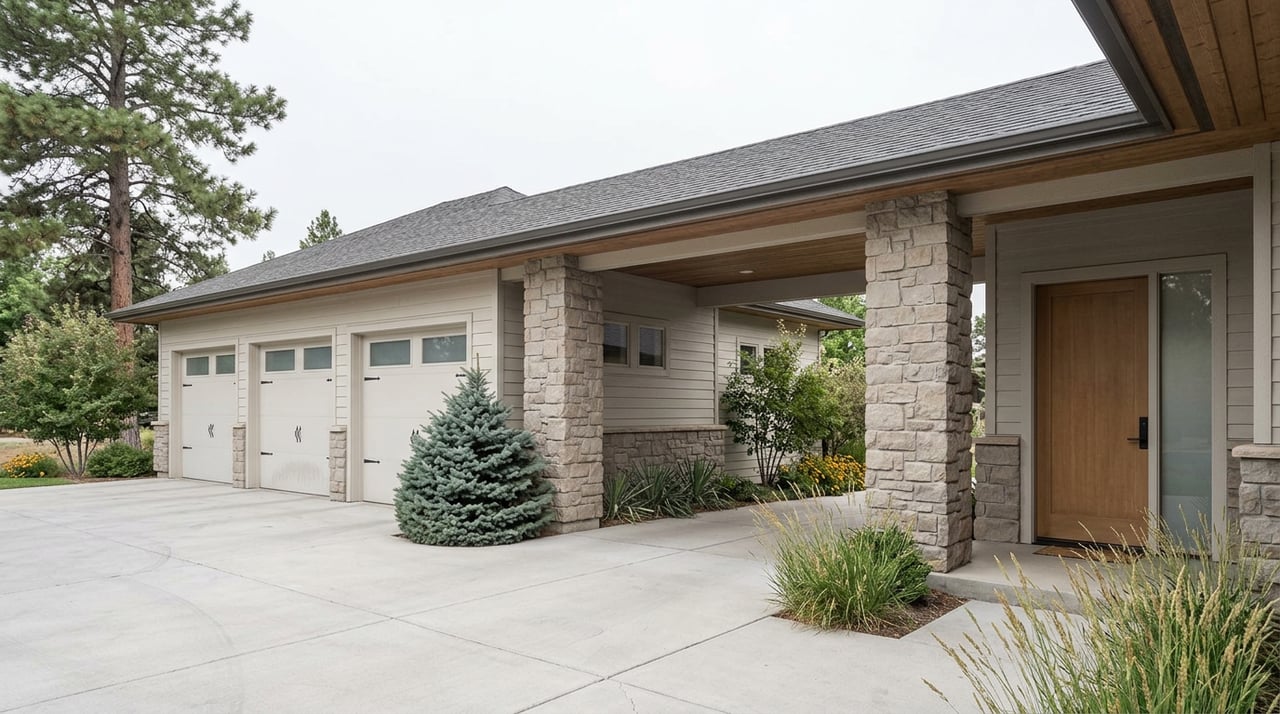
Attached garages tend to be more valuable than carports or no garage. The number of bays matters.
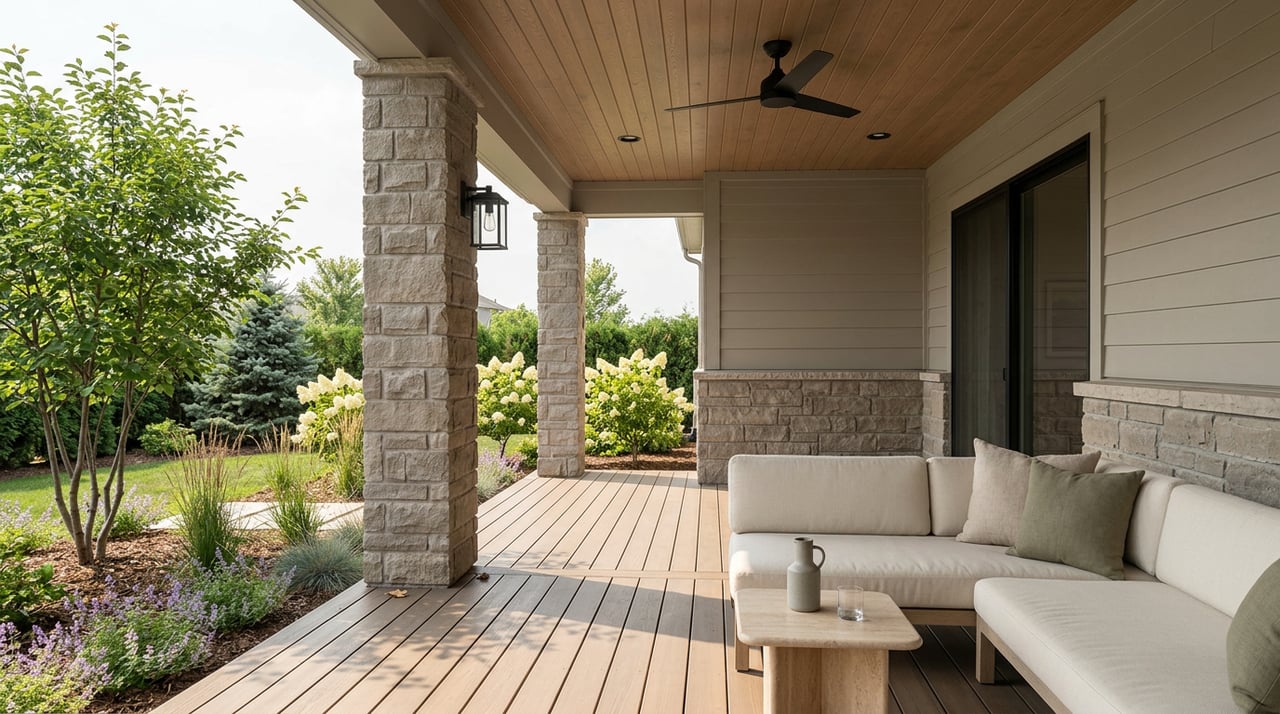
Usable lot size, privacy, patios, decks, fencing, and landscaping can influence value in suburban Aurora. Premium lots may see favorable adjustments when comps support them.
Mountain or skyline views, proximity to parks or trails, and golf course or water features can add value. Adverse influences like busy roads, power lines, industrial areas, or airport noise can require negative adjustments, supported by market evidence.
Owned solar arrays are often treated as real property and can contribute to value if buyers in the market show acceptance. Leased systems are commonly discounted or excluded because of contract terms and financing impacts. Provide ownership documents, system size, age, warranties, and production reports so the appraiser can analyze correctly.
Deferred maintenance or known defects can trigger downward adjustments or conditions. Full disclosure helps the appraiser reflect accurate market perception.
If the market moved between the comp’s closing date and the appraisal date, the appraiser may adjust for time. Rapid shifts in Aurora require careful analysis of trend data.
You cannot tell an appraiser the value to “hit.” You can provide accurate facts and documentation. Appraisers must remain independent under USPAP and state rules overseen by the Colorado Division of Real Estate.
For methodology and consumer education, the Appraisal Institute is a useful resource.
First, review the report for factual errors. Check square footage, bedroom and bathroom counts, finished basement details, condition, and omitted amenities. Provide documentation to correct mistakes.
If the numbers still do not add up, request a reconsideration of value through your lender. Submit additional closed sales, pending data, or proof of upgrades. Lenders may ask the appraiser to reconsider, order a desk review, or in some cases order a second appraisal. Conventional loan processes follow agency guides such as Fannie Mae’s Selling Guide and the Freddie Mac Guide. FHA loans have specific appraisal standards through HUD, including defined steps for addressing issues.
Other options include renegotiating the price, adjusting credits, or bringing additional cash to close. If the appraiser performed an exterior-only inspection and missed an interior feature, your agent can supply interior documentation to the lender and request a reinspection.
A thoughtful appraisal process helps keep your sale or purchase on track in Aurora. With the right preparation and documentation, you can give the appraiser what they need to reflect the market accurately. If a dispute is necessary, a calm, evidence-based approach works best.
If you would like a clear plan tailored to your home and neighborhood, connect with Joni Jagger for local guidance and next steps.

Reach out and connect with Joni Jagger today.