Centennial CO Relocation Guide: Is It the Right Fit?
July 9, 2026
July 9, 2026
Wondering whether Centennial should be your next address? If you want suburban space, established neighborhoods, access to trails, and practical commuting options, Centennial is worth a close look. The key is that Centennial does not feel the same from one area to the next, so your best fit depends on how you want to live day to day. Let’s dive in.
Centennial is a city in Arapahoe County south of Denver that covers almost 30 square miles. According to the city, it has about 108,860 residents, 42,799 housing units, a median household income of $135,629, and more than 5,000 businesses.
That scale matters when you are deciding where to move. Centennial offers a broad mix of residential areas, shopping corridors, open space, and commuter routes, so you can narrow your search based on lifestyle instead of treating the city as one uniform market.
One of the most important things to know is that Centennial is better understood as a collection of neighborhoods and planned centers rather than a single downtown-focused city. Public city materials emphasize neighborhood-specific governance, services, and mapping, which tells you right away that location inside Centennial matters.
For you, that means two homes with the same city name can offer very different day-to-day experiences. One area may feel primarily residential and quiet, while another may place you closer to retail, transit, and newer mixed-use development.
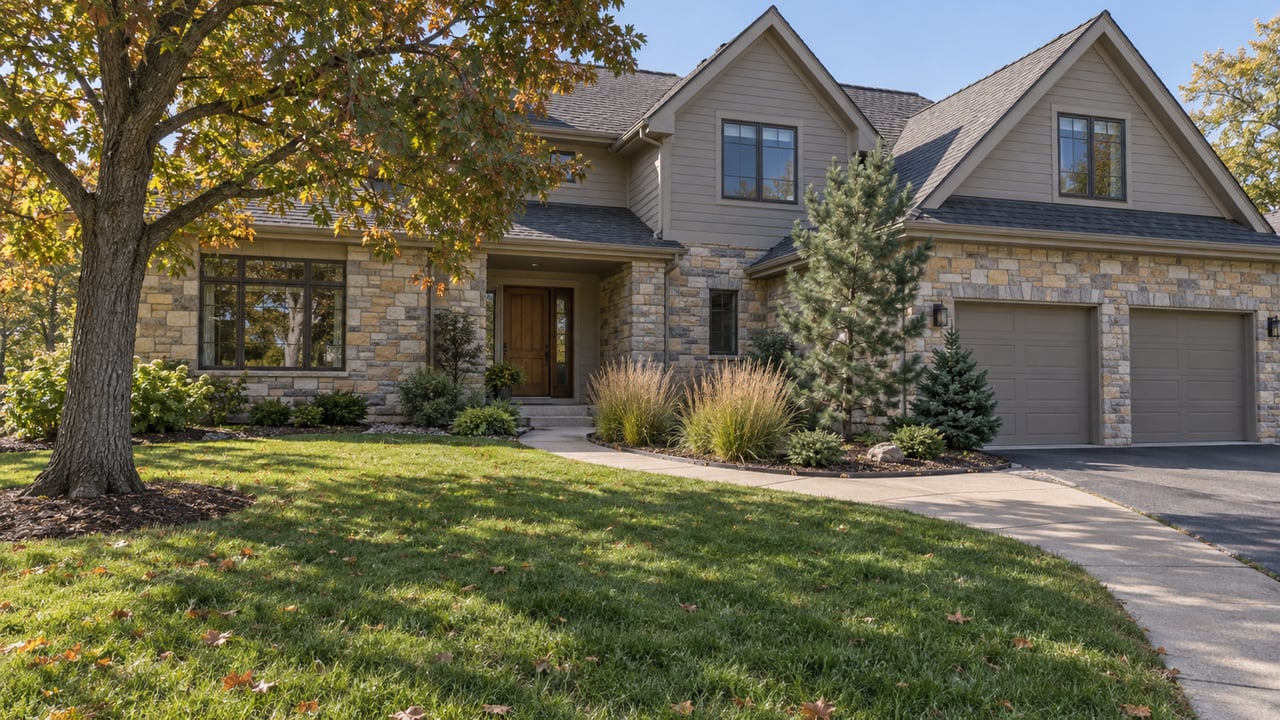
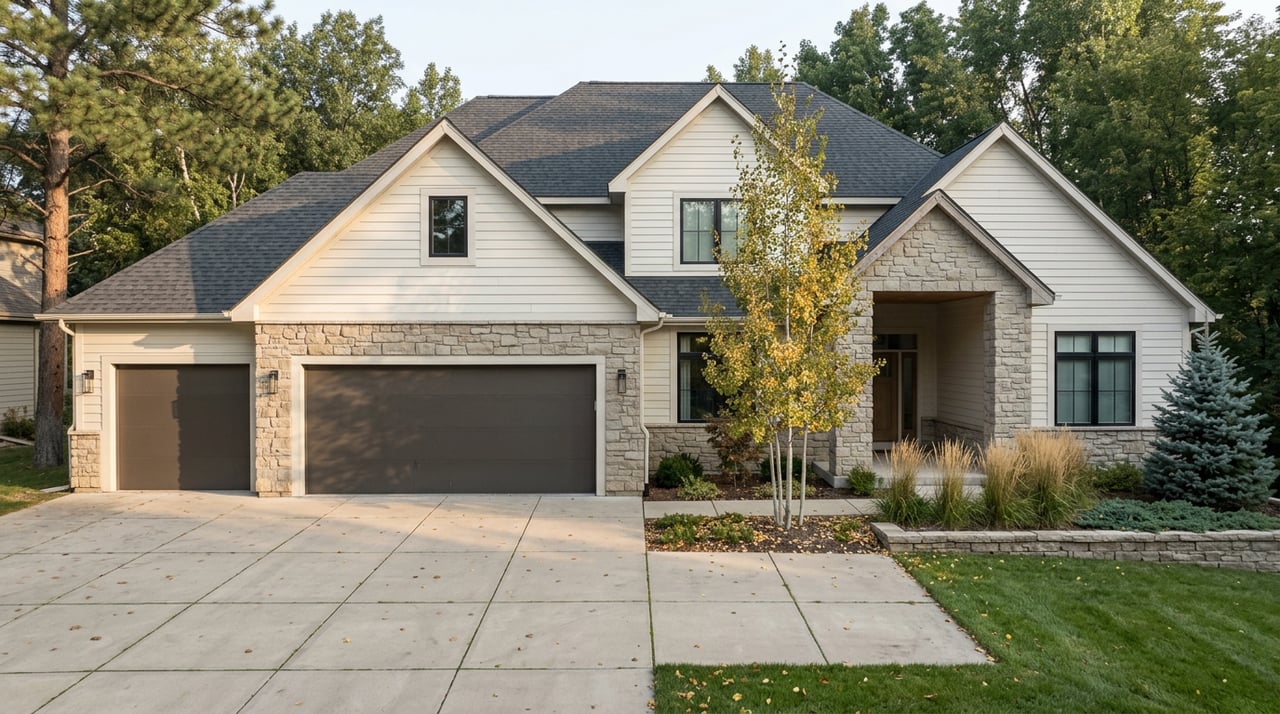
Centennial’s housing pattern is still mostly suburban and single-family. The city’s housing assessment says about three out of four housing units are single-family detached homes, and zoning in many areas is designed to preserve that character.
At the same time, there is meaningful housing variety in selected districts. The city allows narrower-lot single-family homes, attached single-family homes, and multi-family buildings in certain areas, especially in places tied to redevelopment and mixed-use planning.
If you want a more walkable setting with housing near shopping, dining, and transit, Centennial has a few areas worth watching. City plans for Midtown Centennial, The Streets at SouthGlenn, and District-Centennial all point toward more mixed-use growth with housing alongside retail and transportation access.
This gives buyers more than one path into the market. You can focus on a traditional neighborhood with a larger lot, or you can look at areas designed for a more connected, lower-maintenance routine.
If multigenerational living or future rental flexibility matters to you, accessory dwelling units may come up in your home search. Centennial allows ADUs in several residential and mixed-use districts, but only where zoning permits and only one ADU per single-family detached dwelling.
That makes address-level review important. If this feature is part of your long-term plan, it is smart to confirm the zoning before you get too far down the road.
Centennial appeals to many buyers because it offers several ways to get around. The city highlights access to major roadways, interstate highways, E-470, RTD light rail, and bus service, and it maintains about 425 miles of paved public streets.
If your schedule depends on commuting flexibility, that transportation network can be a major advantage. It can also make Centennial appealing for relocation buyers who need a south metro base with practical access to work, shopping, and recreation.
Like most large suburban areas, convenience can come with traffic tradeoffs. Centennial’s transportation planning identifies key corridors such as Broadway, University Boulevard, Colorado Boulevard, Holly Street, Quebec Street, Yosemite Street, Parker Road, County Line Road, Dry Creek/Easter/Broncos Parkway, Arapahoe Road, Orchard Road, and Smoky Hill Road.
The city also flags Arapahoe Road and Jordan Road as a major bottleneck area. If you are comparing homes, this is a reminder to test drive routes that matter to your routine, especially during the times you would actually travel.
For buyers who want transit access, Dry Creek Station and Arapahoe at Village Center are key anchors. Dry Creek Station serves the E, R, and T lines near I-25, while Arapahoe at Village Center serves the E and R lines.
These stations are especially relevant if you are interested in the southern Centennial corridor or nearby mixed-use areas. Living near one of these hubs may support a more connected, commuter-friendly lifestyle.
If outdoor access is high on your list, Centennial stands out. The city says it offers more than 100 parks, 100 miles of trails, and more than 4,000 acres of open space through partnerships with local park and recreation districts.
That kind of network can shape daily life in a meaningful way. It gives you more options for walks, bike rides, play time, and time outside without needing to leave the area.
Centennial Center Park is one of the city-owned highlights. It is a 15-acre park off Arapahoe Road with lawns, an amphitheater, a playground, a seasonal splash pad, and accessible walking paths.
Parker Jordan Centennial Open Space is another key asset. It sits along the Cherry Creek and helped complete an important connection in the 40-mile Cherry Creek Regional Trail.
Cherokee Trail Park is also part of the city-owned park system, giving residents another nearby option for outdoor time. Together, these spaces help explain why many buyers are drawn to Centennial’s balance of suburban living and outdoor access.
Centennial also benefits from strong access to larger regional recreation areas. The city points residents to Cherry Creek State Park and Cherry Creek Valley Ecological Park.
Cherry Creek State Park in particular is a major draw, with 4,200 acres and year-round outdoor activities. If you want a suburban home base without giving up easy access to bigger outdoor destinations, Centennial checks that box.
Centennial has strong shopping and dining access, but it is not evenly distributed across every part of the city. In practical terms, some areas place you close to major retail and mixed-use centers, while others rely more on short drives.
This is one reason it helps to think beyond the city name alone. The address you choose will shape how quickly you can reach groceries, restaurants, and everyday errands.
The Streets at SouthGlenn is one of Centennial’s clearest shopping and dining centers. Located at Arapahoe Road and University Boulevard, the city says the site includes 948,853 square feet of retail area, with current tenants including Whole Foods and Sephora, while also allowing additional residential redevelopment.
For many buyers, that kind of mixed-use setting adds convenience and activity. It can be especially appealing if you want retail and dining nearby without leaving Centennial.
Midtown Centennial is centered around the Dry Creek light-rail station, I-25, Centennial Airport, and an emerging mixed-use district. The city describes it as shifting from office-park form toward a more walkable district with housing, commerce, transit, and public space.
That makes it an area to watch if you are drawn to newer development patterns. It may be a better fit for you than a traditional neighborhood if you value access, convenience, and a more urban-suburban blend.
One of the most practical parts of a Centennial move is understanding what applies to a specific address. The city provides separate maps for HOAs, civic associations, and special districts, and it notes that General Improvement Districts are local taxing entities used for specific public improvements or services.
This means you should avoid broad assumptions. Two homes that seem close together may carry different dues, district structures, or service arrangements.
Colorado metropolitan districts are separate special districts with taxing authority, and district charges are not citywide. They can differ substantially from one subdivision to another.
For you, that means HOA dues, special-district mill levies, and service levels should be checked property by property. This is one of the biggest reasons local guidance can save you time and help you compare homes more accurately.
Centennial can be a strong fit if you want suburban space, established residential areas, and access to outdoor amenities. It also works well for relocating professionals and households that want a south metro location with rail access, major commuting corridors, and practical shopping options.
If you are downsizing, the city may still be a good match, but your search may look different. In that case, it helps to focus on lot maintenance, HOA structure, and whether an attached home or mixed-use pocket better fits your lifestyle.
Before you decide whether Centennial is the right next move, ask yourself a few practical questions:
The clearer you are on these priorities, the easier it becomes to match the right part of Centennial to your goals.
If you are comparing Centennial with other southeast Denver metro communities, a neighborhood-by-neighborhood approach usually leads to the best decision. With the right guidance, you can sort through commute patterns, housing style, taxes and dues, and lifestyle tradeoffs with much more confidence.
If you are thinking about buying or selling in the southeast Denver metro, Joni Jagger can help you evaluate whether Centennial fits your goals and guide you toward the right next step.
Reach out and connect with Joni Jagger today.